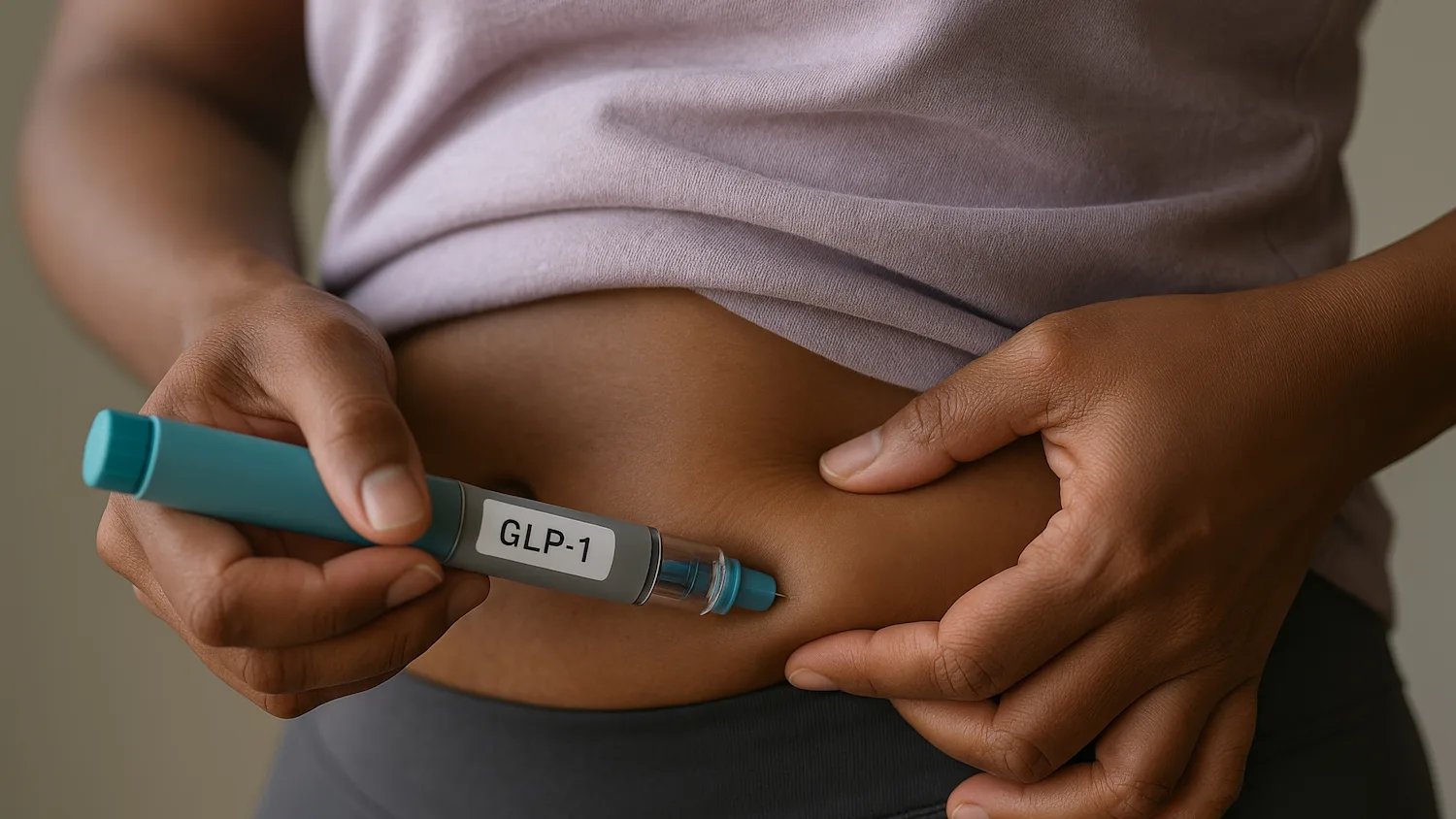
The hair in the shower drain. The thinning at the temples. The moment you run your fingers through your hair and feel something has changed. For a growing number of South Africans using GLP-1 and other weight-loss medicines, this experience is becoming alarmingly familiar and the assumption that follows almost immediately is that the medication is to blame.
The reality, according to Dr Kashmal Kalan, Medical Director at Alvi Armani South Africa, is more nuanced and more important to understand correctly. Because treating the wrong cause will not stop the shedding. And in a country where 14% of surveyed higher-income South Africans are now using prescribed weight-management medication, according to Discovery Bank and Visa’s latest SpendTrend report, getting the diagnosis right has never mattered more.
Also read: FNB Art Joburg returns for its 19th Edition in September 2026 as Johannesburg celebrates 140 years

Dr Kalan says Alvi Armani is seeing more patients who report sudden hair shedding weeks or months after starting weight loss treatment and assume the medicine is directly responsible. The consultation must then establish when the shedding began, how quickly the patient lost weight, how their eating patterns changed, and whether another medical cause needs to be investigated.
The potential causes behind rapid hair loss
A review of nearly half a million adults on GLP-1 treatment found vitamin D deficiency in 7.5% of patients at six months, climbing to 13.6% by twelve months. That’s why bloodwork and not a shopping list of supplements is the first step in any hair loss consultation at Alvi Armani, whether GLP-1-related or not. Standard testing includes vitamin D, B12, ferritin, and thyroid function as standard.
“Ferritin, the protein that stores iron, is one marker I monitor closely. A level below 30 ng/mL, generally considered indicative of low iron stores in adults, is often enough to cause shedding on its own, even though most labs still call that number normal. Most of these patients feel completely fine elsewhere, so there’s no reason for a routine GP visit to pick it up. By the time the hair’s already falling out, we go back and look for what that visit potentially missed.”
Some patients may also reach for gut-health supplements because they assume hair loss comes from issues in the gut. However, Dr Kalan notes, probiotics will only address the problem if a digestive condition is actually contributing to it. Research remains limited, with the largest randomised trial to date finding reduced shedding among the probiotic group, but no meaningful improvement in hair density or thickness.
“If someone has a diagnosed digestive condition, that’s worth treating, and probiotics may have a place. Outside of that, I’d rather see patients pursue tests that can identify what’s missing than a supplement with no clear indication, strain, or dose.”
Dr Kalan encourages anyone on a GLP-1 medication to take shedding seriously if it continues past three months, worsens noticeably, or comes with fatigue or other symptoms that don’t add up. “These medications genuinely change lives for the right patient. If your registered health professional recommends continuation, stay on it. Just make sure your body is still getting what it needs.”