The week also brought a development with direct and lasting implications for South African exporters. The Trump administration raised its import tariff on South African goods from 10% to 12.5%, as part of a broader round of new US import tariffs ranging between 10% and 12.5%.
For South African exporters including vehicle manufacturers, citrus producers, wine exporters, and a range of other sectors that count the United States among their significant markets, a tariff increase of this magnitude represents a meaningful competitive disadvantage. South African goods become more expensive for American buyers relative to goods from countries with lower or zero tariff rates, which creates pressure on export volumes, pricing, and the viability of US market strategies.
Also read: What rising oil prices and SARB rate hold mean for South Africans
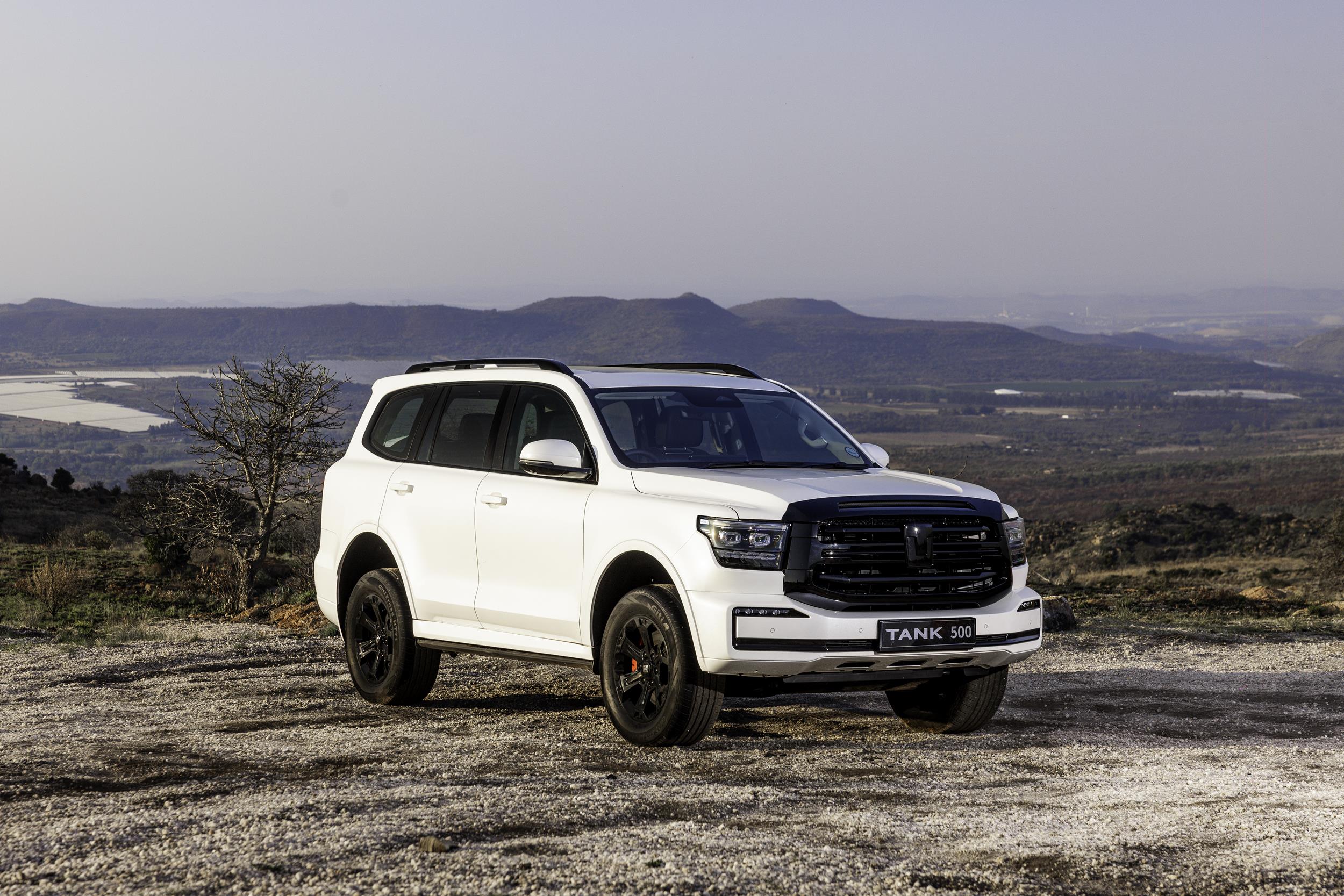
The automotive sector deserves particular attention in this context. South Africa’s vehicle manufacturing industry, which exports significant volumes to the US market, operates on margins that are sensitive to tariff changes of this scale. The full impact will depend on how individual manufacturers respond whether through price adjustments, market diversification, or direct engagement through South Africa’s trade diplomacy channels but the direction is clear and the implications are real.
This development also arrives at a moment when South Africa is navigating the broader implications of its trade relationship with the United States, including the future of the African Growth and Opportunity Act (AGOA), which has historically provided preferential market access for South African goods. The tariff increase adds another layer of complexity to an already delicate trade relationship.
The South African Industries Most at Risk From the US Tariff Increase
Automotive – The Biggest Target
South Africa’s vehicle manufacturing sector is the most immediately vulnerable. BMW assembles the X3 in Rosslyn. Toyota, Ford, and other global manufacturers run significant operations across the country. A tariff disadvantage that makes South African-assembled vehicles more expensive in the American market relative to competitors from countries with more favourable trade terms is precisely the kind of commercial pressure that shifts those decisions.
Citrus and Agriculture, Competing Against Free Trade Partners
South Africa is one of the world’s leading citrus exporters and the United States is a significant market. The problem is the competition. Chile, Peru, and Mexico all have free trade agreements with the United States that give their citrus zero or near-zero tariff access to the American market. South African citrus now arrives at a 12.5% tariff disadvantage relative to those competitors, a gap that American importers will notice and act on.
Wine – A Hard-Won Market Under Threat
South Africa’s wine industry has spent two decades building credibility and market share in the United States — one of the world’s most competitive and lucrative wine markets. That work now faces a tariff headwind that competitors from Chile, Argentina, Australia, and New Zealand do not face in the same way. South African bottles become comparatively more expensive on American shelves.
The question is not only what these sectors lose in the short term. It is whether South Africa acts urgently enough to protect what took decades to build.