The Women’s Economic Assembly (WECONA) is set to host an exclusive high-level engagement session on March 28, 2025, bringing together President Cyril Ramaphosa, government ministers from the Economic Cluster, private sector executives, industry leaders, and women entrepreneurs. The event aims to accelerate the participation of women in South Africa’s economic supply chains, ensuring greater access to procurement opportunities across key industries such as manufacturing, mining, energy, agriculture, infrastructure, and tourism.
As South Africa continues its economic transformation agenda, WECONA is committed to bridging the gap between government, the private sector, and civil society. The goal is to create an enabling environment where women-owned businesses can thrive and gain meaningful access to procurement and supply chain opportunities.
Urgent Call for Implementation and Action
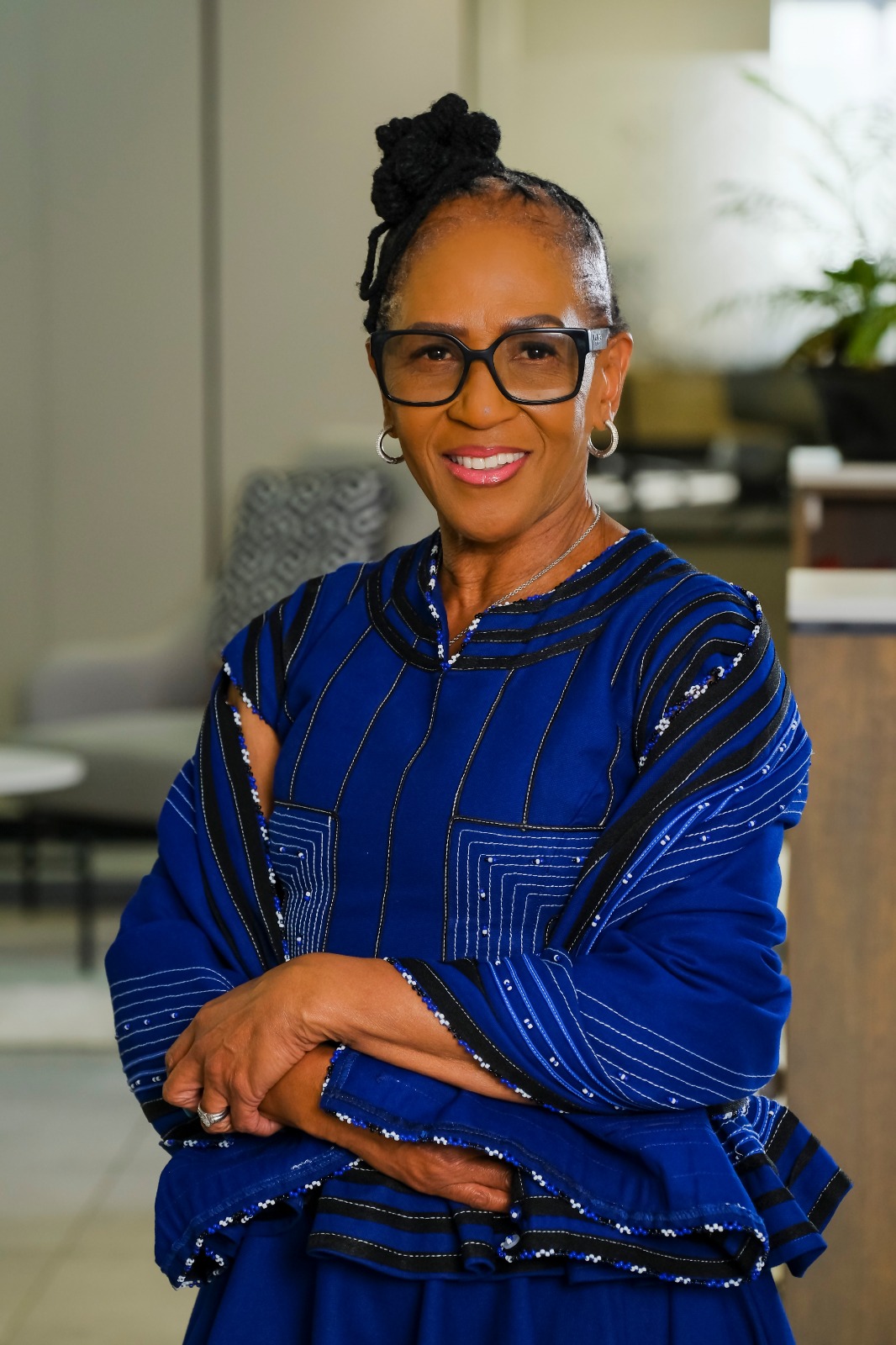
WECONA Co-Chair and National Convenor, Ms. Futhi Mtoba, emphasized the need for urgent action, stating:
“Women entrepreneurs have been left on the margins of South Africa’s economy for far too long. While we acknowledge progress, the reality is that women-owned businesses still struggle to access key supply chains in industries that drive economic growth. We can no longer afford to treat gender-inclusive procurement as an afterthought. It must be a fundamental pillar of economic transformation. WECONA 2025 is not just a conversation but a call for implementation, action, and measurable change.”
Impact of the Public Procurement Act 2024
The South African government has committed to a 40% preferential procurement target for women-owned businesses. With the introduction of the Public Procurement Act 2024 (Act No. 28 of 2024), new procurement reforms are set to shape the future of inclusive economic participation. The Act prioritizes transparency, efficiency, and expanding economic opportunities for underrepresented business groups.
Key highlights of the new legislation include:
- Repeal of the Preferential Procurement Policy Framework Act, 2000 (PPPFA) to introduce a more transparent and accountable procurement system.
- Phased implementation across government entities, as outlined in the Government Gazette.
- Until full implementation, existing laws such as the Public Finance Management Act (PFMA) and the Municipal Finance Management Act (MFMA) remain in effect.
These changes aim to create a more inclusive and competitive procurement landscape, benefiting women entrepreneurs and ensuring their full integration into South Africa’s supply chain ecosystem.
WECONA 2025: Key Highlights and Strategic Dialogues
WECONA 2025 will focus on fostering collaboration between government, private sector leaders, and financial institutions to ensure that procurement policies drive real economic inclusion.
Presidential Roundtable on Gender-Inclusive Economic Growth
A key highlight of the event will be the Presidential Roundtable, led by President Cyril Ramaphosa, where top government and business leaders will discuss practical strategies for advancing systemic economic change.
Launch of the Presidential Index for Gender-Inclusive Supply Chains
Another major milestone will be the introduction of the Presidential Index for Gender-Inclusive Supply Chains. This data-driven tool will:
- Track and measure procurement transformation across industries.
- Provide a clear evaluation framework for economic inclusion.
- Ensure that women-owned businesses are fully integrated into South Africa’s economic landscape.
Collaboration with Key Stakeholders
WECONA 2025 is made possible through strategic partnerships with government agencies, private sector leaders, and financial institutions. Brand South Africa (Brand SA), Focus Rooms, MSME Chambers, ABSA, and the National Empowerment Fund (NEF) are key sponsors, reinforcing their commitment to breaking down financial barriers for women entrepreneurs and ensuring that economic transformation extends beyond rhetoric.
Looking Beyond 2025: A Future of Inclusive Economic Growth
As WECONA 2025 brings together South Africa’s key economic decision-makers, the event is expected to drive:
- Bold commitments from both the public and private sectors.
- Measurable outcomes that ensure procurement policies are truly inclusive.
- Innovative policy actions that create a long-term impact on gender-inclusive supply chains.
By fostering real economic inclusion, WECONA 2025 will pave the way for women entrepreneurs to move from the periphery to the center of South Africa’s economic supply chain ecosystem.
Stay tuned for more updates on how WECONA 2025 is shaping the future of women’s economic empowerment in South Africa.